No doubt, the fit with Civic Mirror and Middle School “Ancient Civilization” courses might not appear obvious, but there totally is a connection if you and your students approach the simulation as a sandbox. By transforming your own classroom into its own civilization, with its own government, economy, society, etc. by way of Civic Mirror, the opportunity for understanding is much greater.
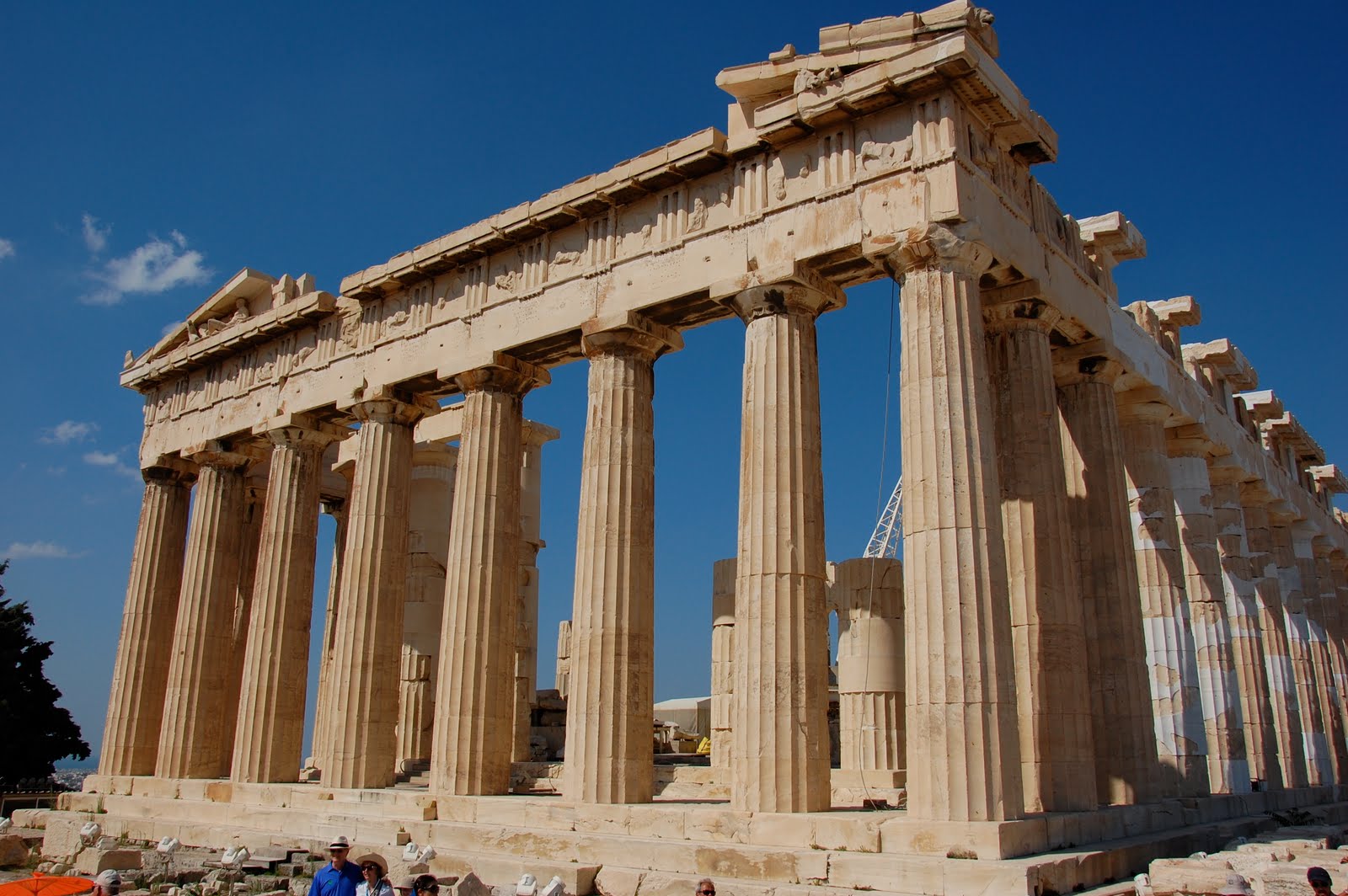 For example, all of the outlined units of study in California’s 6th Grade (as per curriculum document) challenge students to understand the geographic, political, economic, religious, and social structures of these ancient civilizations. We would argue that these terms/concepts are in and of themselves quite challenging for middle schoolers to understand… They’re entering the formal operational stage of cognitive development!
If, however, you were to run CM throughout your course, the students would have their own — and shared — (albeit simulated)
- geography (hex map)
- politics (very fabric of CM)
- economy (a real-time, live economy they can trades in, tax, etc.)
- religion (separation of church and state a la U.S. constitutional system of gov’t, which CM uses)
- social structure (the class culture will create this, and CM will amplify it)
… Then the opportunities for reflection and connection are exciting to say the least. For example, you could ask the essential question at the beginning of every unit: “How similar/different was this society to our simulated nation?”… Or something like that. So through running CM once or twice a week while you dive into these ancient civilizations, the students would have an experiential frame of reference from which to understand them better.
In this way, Civic Mirror could very well be used as an Ancient Civilization Simulation. 😉